Transportation Tips
In
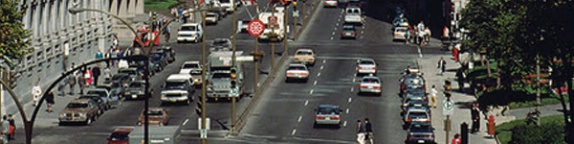
America, about half of our energy is used by the transportation sector.
As more of us begin making small changes in our transportation habits,
we can collectively reap big energy savings.
|
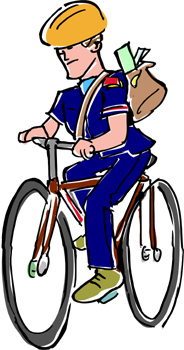
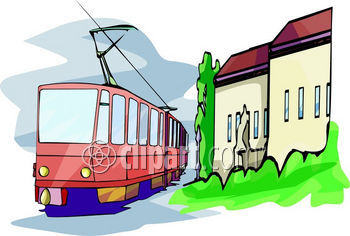
Alternative Modes: Take the train or bus to work to save energy. Better yet, bike to work to save gas and to stay in shape.
|
|
|
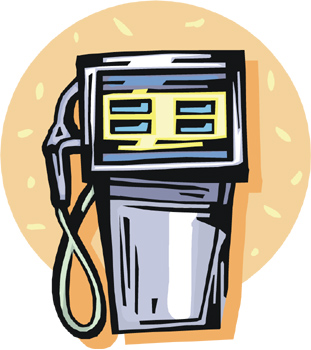
Alternative Octane: If
your car doesn't "ping," it's probably all right to use regular or
medium unleaded gasoline. You'll save money by not using premium
unleaded gas. Check with your mechanic.
|
|
|
Car Pools: See
if your workplace offers incentives for car pooling and public transit
options. You'll enjoy the camaraderie and save your nerves by avoiding
high traffic times.
|
|
|
CFS's: Vehicle
air conditioners contain and often leak CFCs (chlorofluorocarbons), the
compounds mainly responsible for ozone layer depletion. Be sure your
air conditioner is serviced by a certified technician who recaptures the
CFC and recycles it, instead of letting it loose into the air.
|
|
|
Combine & Save: Avoiding
making special driving trips is one of the easiest ways to save energy.
Plan and combine your errands to accomplish more on the same trip.
|
|
|
Compare On-Line: When
buying a new vehicle, compare the energy requirements of various models
before deciding on the most energy-efficient model. To compare fuel
economy among cars go to www.FuelEconomy.gov
|
|
|
Cool It: Flipping
on the air conditioning full blast as soon as you hop into a hot car
wastes gas and money. Rolling down your windows is a much more efficient
way to allow your car to cool down.
|
|
|
Cruise On Down: Use the cruise control whenever possible. It saves fuel by keeping your vehicle at a steady speed.
|
|
|
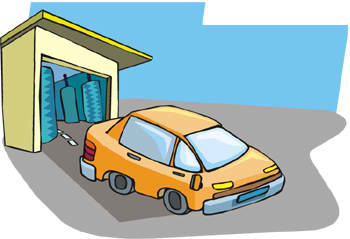
Eco-Friendly Car Wash: Use
a commercial car wash that recycles water, uses earth friendly soaps
and prevents toxic runoff. If you do wash your own car at home, park it
on the grass so the lawn gets the added benefit of the water.
|
|
|
Economy Tripping: When
renting a car, choose a economy model you've never driven before. Look
for vehicles getting 29 mpg or more on the highway. To compare fuel
economy among cars go to www.fueleconomy.gov.
|
|
|
Fill Up on The Way: Making a special trip to fill up the gas tank is an old habit. Fill your vehicle when you are already on the road.
|
|
|
Fresh Air Setting: In
more moderate weather, perhaps you can get by using the flow-through
ventilation on your car instead of the air conditioner. Switch from
recirculate to fresh air and judge the difference.
|
|
|
Fuel Economy: Reducing
your speed is one of the simplest ways to save energy on the road. The
EPA says that for every one mile-per-hour that you drive above 55 mph, a
vehicle loses about one percent in fuel economy.
|
|
|
Fuel Efficiency: Luggage racks increase vehicle drag and rob you of gas mileage. Remove them when not in use to increase energy efficiency.
|
|
|
Got Bike?: Try to cover short distances of less than 5 km on foot or by bike at least 2 - 3 times per week.
|
|
|
GPS: A
GPS system will save fuel if you travel to a lot of new, unfamiliar
destinations. Remember to turn it off when not in use to reduce energy
consumption.
|
|

|
Haste Makes Waste: Speeding
is a very expensive and wasteful habit. Driving fast may get you to
your destination quicker but you're wasting precious fossil fuel and
spending more time and money than necessary at the gas pump.
|
|
|
Hybrids: Check
out the gas-electric hybrid vehicles to double your mileage. The car of
the future is here today. The Toyota Prius is a world-class, highly
advanced vehicle offering excellent space, high performance and 40-plus
miles per gallon.
|
|
|
Idle Phone Calls: When using a cell phone while parked, save energy by shutting off your engine and turning the ignition to the accessory mode.
|
|
|
Idle Waste: Idling
in the drive through at banks and restaurants is a waste of time and
gasoline. Instead, park outside and walk in - it's often faster plus
you'll get a little exercise.
|
|
|
Keep the Planet in Mind: When
shopping for your next car, put the environment ahead of your need for
speed and purchase hybrid, electric or high gas mileage vehicles.
|
|
|
Law of Diminishing Returns: A
passenger car that gets 30 miles per gallon (mpg) at 55 miles per hour
(mph), gets only 27 mpg at 65 mph and only 25.5 mpg at 70 mph. Try to
leave earlier, then relax and enjoy the scenery along your route.
|
|
|
Maintain Your Vehicle: Make
sure your car is properly tuned, spark plugs are firing right and the
oil and air filters are clean. Old, dirty oil and clogged filters rob
your engine of energy efficiency and increase air pollution.
|
|
|
Mix n' Match: Take
a few minutes to plan ahead for ways to combine your shopping trips
into a single journey. You'll save time, money, wear and tear and the
planet!
|
|
|
Pace Yourself: Challenge
yourself to keep your car garaged for as many days as possible. You’ll
save gas, wear and tear, increase your resale value, preserve the
condition, etc.
|
|
|
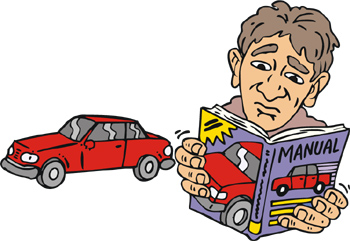
Proper Maintenance: Follow
your owner's manual recommendation on the type of oil to use under
specific conditions. The choice you make in engine oil can effect energy
efficiency and reduce fuel economy.
|
|
|
Recycle Your Oil: Make
sure you use a mechanic that recycle all used oil. Typical there is a
small charge for this service and documentation from the recycling
company.
|
|
|
Red Light, Green Light: Anticipate
red and yellow lights whenever you can. Letting your car coast to a
stop is a good way to save your tires and breaks and ultimately improve
your gas mileage.
|
|
|
Reduce Idle Times: One
of the simplest energy saving ideas is to get in your car, adjust the
mirror and fasten the seat belt, then start the car. Millions of gallons
of gasoline are wasted each day by starting the car before drivers are
ready to go.
|
|
|
Ride Share: One
of the fun energy saving tips is to share rides to work, school, church
and social activities. You'll make new friends and save valuable fuel.
|
|
|
Running Errands: Adopt
a habit of keeping a running list of errands that requiring driving
your car. Work to try to knock out as many items in the most fuel
efficient route possible.
|
|
|
Rush Hour: Avoid rush hour traffic if you can. Not only is stop-and-go traffic stressful and annoying, it's bad for your car's gas mileage.
|
|

|
Satellite Radio: Satellite
radio can be a handy device when used in combination with your
navigation device to show you non-congested routes in real time.
|
|
|
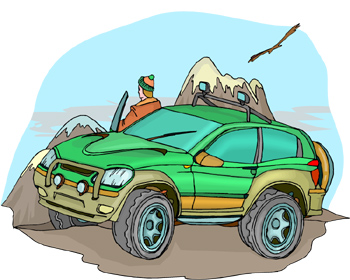
Select Your Ride: Reserve
your big SUV for hauling a large group of people. Use a smaller vehicle
for driving alone around town and running errands.
|
|
|
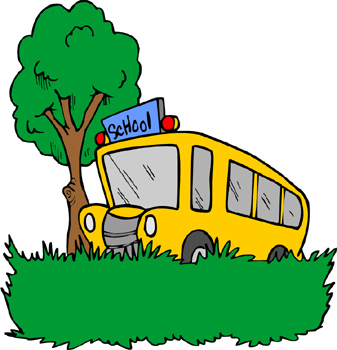
Shady Practices: One
energy saving tip is to park in a shady spot in hot weather. You won't
be so tempted to blast the air conditioning to cool it down.
|
|
|
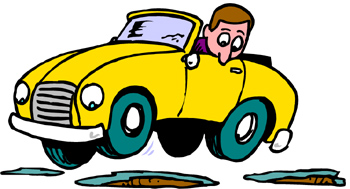
Speed Shifting: An automatic transmission runs better and lasts much longer when you gradually accelerate.
|
|

|
Stagger Home: Stagger your work hours so you can time your weekday commuting at less busy times of the day.
|
|
|
Starts & Stops: One
of the biggest energy saving tips is to accelerate and brake your
vehicle gently. Quick starts and stops can decrease mileage by up to 12
percent.
|
|
|
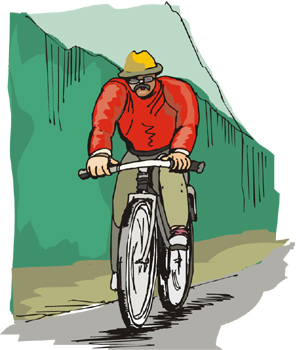
Stop Before You Start: Before entering your vehicle and starting your engine, consider walking or biking to your destination.
|
|
|
Stuck in Traffic?: If
you looking for other ways to save energy on the road, try turning off
your car engine if you're going to be stopped for more than 30 seconds. A
quick turn of the key on a well maintained car should instantly restart
your engine without any need to pump the accelerator. Restarting in
this fashion uses less gasoline.
|
|
|
Take it Easy: Try
driving economically rather than racing from stop to stop! Excess
speed, rapid acceleration and breaking wastes fuel and money and adds to
your car repair expenses.
|
|

|
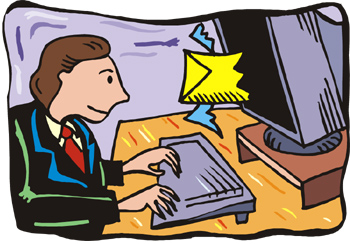
Telecommuting: The
best way to cut down on fuel costs is to find ways to telecommute from
home to work whenever possible. You find less stress and more time to
spend with the family.
|
|
|
TeleMeeting: Try
to figure out how to hold meetings just as effectively over the
internet instead of face to face. You'll find you can have much shorter
and more effective meetings.
|
|

|
Tire Pressure: Check and adjust tire pressure each month. Full tires roll better thereby reducing fuel consumption and less energy.
|
|
|
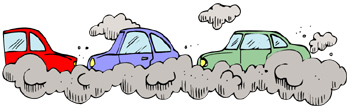
Traffic: It's
easy to plan your trips so you won't get stuck in traffic jams. Check
the local traffic report on the web before you leave home or tune into
local radio reports to avoid congested areas.
|
|
|
Travel Light: Carrying around unnecessary extra weight in your car or truck cuts down your gas mileage.
|
|

|
Two Wheels: Get
a scooter or motorcycle. Riding Vespas and other scooters can be huge
fun plus they get 60-plus mpg. They're great for short trips around
town.
|
|
|
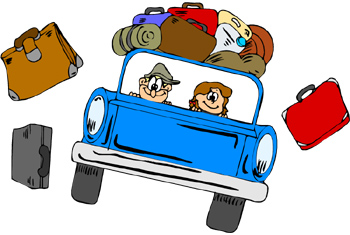
Vacation Can Be a Drag: Unless
absolutely necessary, try to avoid carrying items on your car's roof,
whenever possible. A loaded roof rack increases your car's air drag and
pulls down your car's mileage by 5 percent or more.
|
|
|
Wind Speeds: At
low speeds, it's effective to open a window to stay cool. At highway
speeds, modern cars are more fuel efficient with the air conditioning on
than with it off and the windows down.
|
|

|
www.PlanAhead.Duh: Use
the Internet to map unfamiliar routes in advance so you won't get lost
and resort to driving around in circles looking for your destination.
|
|
|
If
you drive very far to work, consider car pooling, taking the bus,
train, subway, mass transit system, ferry, etc. It will be cheaper than
gas not to mention wear and tear on your vehicle.
|
|
|
On the average, each 100 pounds of extra vehicle weight will cost up to one-half mile per gallon.
|
|
|
2/60 Air: Using
your cars's air conditioner can decrease gas mileage by as much as 20
percent. Try rolling down your windows and enjoying the wind in your
hair.
|
|
|
|
|

