Untitled Document

|
Real Estate Agent: When
searching out a real estate professional, find one that is as dedicated
to the environment as they can possibly be. Are they distributing green
ad specialty items such as cards and flyers with flower seeds embedded?
Are they printing on recycled paper? Do they drive an economy car or do
they prefer luxury over the environment? Do they have a list of their
environmental activities posted on their website for all to see? Do they
get involved in organizing community clean up days?
|
|

|
Insurance Agent: Any
professional agent worthy of your business, should be one of "movers
and shakers" of the local environmental efforts. They should be out
front leading the charge on behalf of the community and the local
environment. Look for Earth Mom icon and review their list of
eco-accomplishments before settling on just anyone.
|
|
|
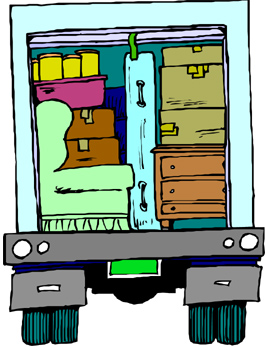
Moving Van/Rental Truck: Before
you choose a rental truck, find an operation that is deserving of your
business. Check their web pages for information on what they're doing on
behalf of the environment. Their trucks should be clean, well
maintained and boast of high fuel efficiency. If they have a truck wash
on their lot, the water should be filtered and recycled before going
into the public sewers. If they're not making efforts, find a rental
company that is.
|
|

|
Temp Labor: When
seeking labor to help with your move, ask if the company provides or
organizes a car pool to get the helpers to and from the job. Be sure to
check with company website for news and updates on all that they do on
behalf of the environment. It's important to note, that you have a
choice when engaging services of any type. Let everyone you know that
how they're approaching the needs of the environment factors large in
your decision for do business and send future referrals their way.
|
|

|
Green Energy Utilities:
It's possible to opt for 100% clean energy. You can either have a large
enough solar system installed on your roof, or opt for clean energy
sources. Having a more than adequate solar energy systems means you have
chance to sell your extra energy to the major utilities. You may have
to pay a few pennies more for totally green energy however a certificate
attesting to that fact displayed on your wall and posted on your
website can more than make up any difference in cost.
|
|

|
Green Moving: Each
time you move provides a great opportunity to examine and alter your
personal buying habits. When planning your move, go through your entire
household and determine what can be donated, sold or recycled. The fewer
items you move, the less cost and energy required to box, transport and
store at your new location. The further ahead you can plan, the more
time you have to reduce the load you have to move.
|
|

|
Packing Boxes: Realtors
and moving companies will many times provide a number of cardboard
boxes that can be returned when you're move is complete. Avoid re-using
produce or soiled boxes from your local grocery store as you can
inadvertently carry molds and bacteria into your new household.
|
|

|
Packaging Materials: Before
you toss out all the old clothes and worn bath towels, set them aside
to use as packaging materials for your more sensitive or fragile items.
Once you get to your new location and unpack, bag them up and ship them
off to a new home or recycling center.
|
|

|
Electronic Components: Several
big box stores such as Staples, Best Buy, etc., are happy to accept
your broken and outdated electronic components for recycling.
|
|

|
Hazardous Materials: Most
cities have a special day where you can bring in old paint, poisons and
other toxic materials we don't want going down our sewers. Check on
your city's web page for dates and places when you can take in these
items.
|
|

|
Green Services:
When hiring movers, check first to see if they have an environmental
commitment policy posted on their website or if their listed as members
of Earth Mom. Be sure to read about the steps they take in their
everyday business practices to truly show their commitment to the
environment. Be sure to let them know that their time and attention
regarding environmental matters was a big decision in choosing their
services.
|
|

|
Packing Materials:
When buying boxes and packing materials, try to insure all your
supplies are fully recyclable and after your move, recycle them again or
better yet donate them to others who are planning a move.
|
|

|
Bubble Wrap:
Bubble wrap is a great item for helping insure your valuable belongings
get from one place safely to another. Wadded newspaper can many times
take the place of bubble wrap which rarely gets recycled. If you must
use bubble wrap, box it all up and store it for your next move or donate
it to someone who is preparing to move. Bubble wrap will last for many
uses unless someone comes along that likes to pop the bubbles. Then it
becomes an environmental problem as it can last hundreds of years in a
land fill.
|
|

|
Return Junk Mail:
Save all the junk mail that gets through. When you get prepaid
envelopes as part of any junk mail, simply stuff as much junk as you can
back into the envelope. Be sure to include a note asking that company
to take you off their list. Since these companies pay the return
postage, they're more likely to take note and stop sending you more
junk.
|
|

|
Junk Mail:
Stop junk mail from getting delivered by notifying your mail delivery
person or by registering online with the relevant agency. You might not
stop all the junk from getting through, but you'll cut back back on a
lot of it.
|
|
|
Home Recycling Center:
Set up a recycling center in your kitchen or garage where it’s easy and
handy to separate paper from plastic recyclables. Making recycling easy
to do ensures that you’ll be more likely to do it.
|
|

|
Less is More:
Think hard before buying items that are going to hang around for
several years. Most people move on average of every 5 years. When
shopping for non-essential items, be sure to ask yourself a simple
question: When the times comes to move again, will you relish the idea
of moving it?
|
|

|
Plastic Bins & Containers:
Avoid boxes altogether. Plastic containers are tough and will outlast
corrugated boxes several times over. They're easy to use, label and can
store your items for later access. Once emptied, they can easily be
resold, loaned out or borrowed again from others who will find them
handy for moving their households.
|
|

|
Examine your belongings:
A move is a great time to take a hard look at all you've accumulated
and determine if you would be better off donating it to a place that
could make good use of it. Daycare centers and preschools are especially
good places to donate toys, books and clothing that your children may
have outgrown. Goodwill, St. Vincent De Paul and other places will even
give you a tax donation certificate.
|
|
|
|
|