Untitled Document
 Community Checklist: Before
moving to a new community, you might first investigate the many factors
that separate a good community from a great community.
Community Checklist: Before
moving to a new community, you might first investigate the many factors
that separate a good community from a great community.

|
Banking:
Investigate your bank's lending practices. Let them know
you are seeking banking relations with institutions that as a practice,
refuse to lend to industries that are contributing to our pollution
programs. Ask to see a copy of their written lending
practices. Introduce them to Earth Mom and ask if they've made the
pledge and adopt our commerce policies.
|
|

|
Colleges:
Investigate the colleges you may potentially be attending for their
policies on the environment. Do they offer environment related
majors? Do they offer an environmental policy? Do they
actively promote participation from their students and faculty?
Have they made the Earth Mom commitment?
|
|

|
Concerts:
Are their ample concerts available in your community? Is their
mass transit readily available? Do the promoters encourage
recycling of beverage containers and provide ample bins? Are the
recyclable containers made available to local groups who can turn them
into arts and crafts or benefit from the recycle dollars?
|
|

|
Employment:
Is there ample green employment available in your community? Are
the main employers active in promoting earth-friendly practices?
Remember, the employers who most care about the environment stand to
prosper the most when both workers and patrons take a heightened
interest in their products.
|
|
|
|
Fitness
Centers: Does your fitness center rely on green energy or solar
power to operate their facility? Do they offer ample recycling
containers and encourage use of water bottles? Do they have a
posted environmental policy and encourage their members to follow it?
|
|

|
Homeowners
Fees: Homeowner fees cover a wide array of services. Do
landscapers use electric or gas powered equipment? Is desert
landscape encouraged to cut down or eliminate the need for
watering? Are the vehicles fuel efficient or gas guzzlers?
|
|
|
Public
Transit: Is there ample public transit available to get you and
your family safely to shopping and events around the area? Are
bus, train and rapid transit stations close by help reduce or eliminate
the need for a car?
|
|
|
Recreation:
What type of outdoor recreation is available. Are the lakes,
rivers and mountains nearby? Are you able to swim, bike, hike or
simply enjoy a clear view of the great outdoors?
|
|

|
Romance:
Finding someone with a shared passion for the environment is easy when
you attend various clean up projects in and around your city.
Wearing any Earth Mom garb gives practically anyone a license to say hi
and discuss your activities.
|
|

|
Schools:
Are the local schools doing enough to teach young kids about the
importance of preserving the environment? Imagine what our world
might be like today if same level of environmental awareness was
actively taught 100 years ago as it is today. Are there ecology
clubs, activities, classes, etc.?
|
|
|
Shopping:
These days, its fairly easy to find a community with all the major
outlets located within just a mile or two of each other. Before
settling on a new location, see how far it is to convenient
shopping.
|
|
|
Traffic:
Before moving to a new location, consider spending a week or weekend
vacationing in your area of interest. Ask the locals about
traffic, commute bottlenecks, car pooling and mass transit.
Chances are you'll find ample information available on the
internet.
|
|
|
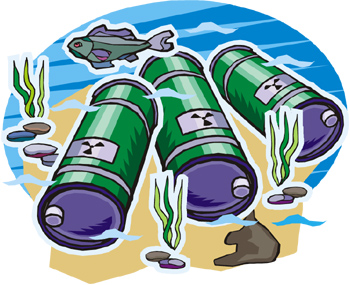
Toxic
Waste Dumps: Carefully investigate to insure your potential new
household isn't located on or near a former waste dump. Public
records should be available to help you avoid being exposed to dangerous
exposure. Be sure to look up cancer clusters and avoid any
neighborhoods that have be adversely affected.
|
|

