Untitled Document
Personal Hygiene

|
Air-dry your hair: A
1500 watt hair dryer uses about 375 watt-hours of power every 15
minutes. Just think about the energy you can consume in a month by
blow-drying your hair at least 15 minutes daily? Cut down your hair
drying energy cost by letter your hair dry naturally.
|
|
|
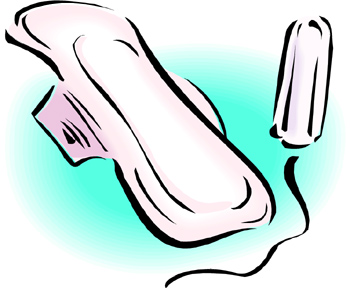
Chemical-Free Sanitary Napkins: Some
feminine hygiene products contain dioxins, which are known to be
carcinogenic agents. Some also have artificial fragrances and
non-biodegradable applicators and adhesives that can be harmful to a
woman's body. Always choose natural and chemical-free sanitary napkins.
|
|
|
Green Cleaning Products: When
sanitizing your bathroom and kitchen counters, use organic cleaning
products. Look for those with little to no fewer chemicals. Standard
cleaning agents contain allergens that can cause headaches, eyes burn,
and skin and lungs toxicity.
|
|

|
Natural Hygiene Products: Some
beauty and bath products contain substances that harm not only your
skin but also the environment. Make it a habit to read the label and see
if the product contains toxic chemicals that aren't good for your body.
Doing this prevents toxins from getting in contact with your body and
at the same time, you are also avoiding companies that produce excessive
greenhouse gas emission.
|
|
|
Organic Towels and Shower Curtains: Go
natural with your bathroom accessories by using non-toxic towels and
eco-friendly shower curtain. Towels that are made from 100% organic
cotton are free of herbicides, pesticides and other synthetic materials
that won’t emit toxic fumes over time.
|
|
|
Plug Sink Drain: Did
you know that you can actually save one gallon of hot water washing
your face or shaving if you close the water drain? When washing up or
shaving, plug up the sink drain to save water. Empty the basin when
you're done soaping and refill it for rinsing. Doing this daily can help
you save about 50 gallons of water every month.
|
|
|
Recycle Product Packaging: About
90% of bath products have recyclable packaging. You can recycle empty
shampoo bottles by cutting them in half and use them as containers for
your tiny trinkets. Also, the next time you shop for hygiene products,
watch our for items made with recyclable materials.
|
|

|
Recycled Toilet Paper: Using
recycled, unscented facial tissues and toilet paper mean using products
that are free from chemical fragrances that can irritate your nose.
Also, going green with your toilet paper enables you to help save trees.
|
|
|
Personal Grooming:
Some personal hygiene and beauty products contain harmful substances
to both you and environment. Choose natural products proven to be free
from skin irritants, poisonous or toxic chemical and contain known
carcinogens.
|
|

|
Energy Efficient Appliances:
Don't stop at your kitchen when purchasing energy efficient products
and appliances. Having a 2,000 watt blow dryer may get your hair dry
faster but you'll use more energy and risk damaging your hair. Find a
happy medium or change your life in ways that conserve energy such as
choosing hairstyles that you can towel dry hair.
|
|
|
Green Cleaning Alternatives:
Each time you wipe down the bathroom counter or clean the mirror, opt
for products with fewer harsh chemicals. Standard cleaning products can
irritate allergies, cause headaches and make your eyes burn. Replacing
them with green alternatives will not only improve your home’s air
quality, but it could also improve your quality of life.
|
|
|
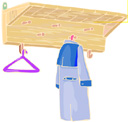
Towel Hooks:
Be sure to add towel hooks behind all bathroom and bedroom doors.
Unless you suffer from skin problems, try to get 2 or 3 extra uses out
of your bath and beach towels.
|
|

|
Organic Towels:
Opt for organic towels, bath mats and shower curtains for your
bathroom. They are free from herbicides, pesticides, fertilizers,
formaldehyde and other synthetic materials.
|
|

|
Feminine Hygiene:
You might be alarmed to find that many personal hygiene products being
placed in some of your more sensitive areas use bleached cottons and
can contain harmful substances such as dioxins which the EPA has banned
for most other uses. Worse yet are the artificial fragrances that can
contain other unsafe chemicals including phthalates.
|
|

|
Green Washing:
When shopping, be on the lookout for products claiming to be
environmentally friendly and made from sustainable products when they're
actually not. Read your labels and get to know the types of chemicals
that should be avoided at all costs.
|
|

|
Animal Testing:
Avoid any products that require animal testing as a condition of being
approved for sale. Opt for cruelty free brands that safeguard animals
that might otherwise live out their lives in the wild, or might never
have been cloned in large batches for testing purposes.
|
|

|
Home Made Treatments:
Learn to make you own soaps and facial treatments. You'll save tons
of money and you'll always know exactly what ingredients go into your
products.
|
|

|
Unregulated Chemicals:
Read your labels. If you don't know what a particular chemical is
used for, avoid buying anything containing it. Unfortunately, some
companies care even less about your long term health than they do about
the environment. Don't wait to find out months or years later that your
favorite product has been detrimental to you all the time you've been
using it.
|
|
|
Certified Organic:
Anyone can make up a certification seal, put it on products and make
unsubstantiated claims about the product. Learn the limits of your
certification seals and seek out products containing certifications that
truly represent the safety of the contents.
|
|
|
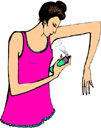
Make Scents:
Antiperspirants work by preventing the body from eliminating toxins
through perspiration which reduces the body's ability to regulate it's
temperature. Instead, experiment using natural products without
aluminum such as a crystal stick which uses mineral salts.
|
|

|
Natural Toothpaste:
There's a reason the US FDA requires all toothpaste tubes containing
flouride to carry a poison label. Fortunately, there are natural
alternatives you can make up using ingredients such as baking soda to do
the job.
|
|

|
Healthy Hair Care:
Hair like your skin is very absorbent. Avoiding products containing
petroleum distillates, hair dyes, coal tar, formeldehyde, phthalates and
synthetic fragrances are much better for both you and the
environment.
|
|
|
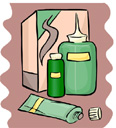
Petroleum Free Products:
There are a surprising number of petroleum derivatives not only found
in cosmetics but also in other personal care products such as the
plastics used in sanitary pads. Everything you put on and in your
bodies is deserving of a bit of research before you buy it a second
time.
|
|
|
Sun Block:
Investigate your sunblock and tanning lotions thoroughly to determine
the number of potentially irritating ingredients are destined to being
absorbed into your skin. The same chemicals that are used to prevent
sun damage can create other types of damage their manufactures don't
want you to think about.
|
|
|
Label Investigation:
Fortunately the US Government requires manufacturers to list the
ingredients on their products. Find the time to investigate the use and
affects of every ingredient of every item coming into your household.
You'll be surprised at the number of things you either consume or allow
to be absorbed into your bodies.
|
|
|
Bleached Products:
Products that are otherwise perfectly fine for you are sometimes
otherwise left a dull color after manufacturing. So to make them more
appealing, they're subjected to harsh chemical bleaching designed solely
for the purpose of having them appear pure white. This bleaching
process can create dioxin which is highly toxic and known to stay in the
environment. It can accumulate in the fat cells of our bodies
sufficiently over time where it can cause any number of medical
problems.
|
|
|
|
|

