Untitled Document
Health and Diet

|
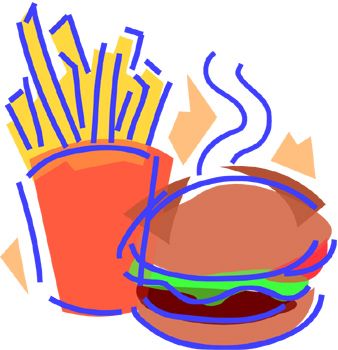
Avoid Fast Food:
Every
notice how much packaging is wasted on fast food, specifically on a
burger and a fries? Typically there is a paper tray liner, a special
container for your burger, a paper wrapper to hold your burger contents
in place, a box or wrapper to hold your fries, a paper or Styrofoam cup,
several napkins and several types of condiments. If you get your food
to go, you can add a paper bag and perhaps even a cardboard drink
holder.
|
|
|
Bottled Water:
Before you drink your next plastic bottle of water, read up on the risk
of potential chemicals you’re ingesting. Instead, consider adding a
quality filter for your tap water and then using inert refillable
bottles instead.
|
|
|
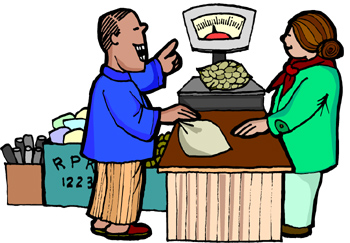
Buy In Bulk:
Buying in bulk means less packaging and less cost. Typically, it is not
necessary to bag up bulk packaged goods which saves on added packaging.
|
|
|
Canned Foods:
Buy
foods packed in glass only. Most metal cans are sprayed with a plastic
liner to help it last much longer and avoid taking on a metallic taste.
The only problem is that this plastic layer contains dangerous chemicals
that can leach into your food over time.
|
|
|
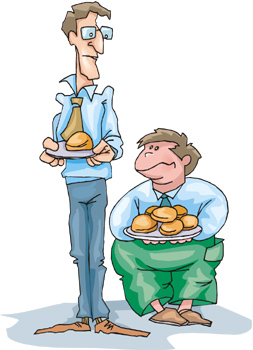
Dieting:
Diets help the environment all the way around. Less consumption
means less packaging, less energy to heat meals, less trips to the
store, better health, and will give you a good reason to donate all
those old clothes to the Goodwill Store. Becoming lighter means
you have less aversion to walking or jogging to your destinations.
|
|
|
Eat At Home:
It’s
much cheaper than eating out. Leftovers can only get better with time.
Try making enough food at one time to put an extra lunch or dinner in
the fridge. You’ll save on energy, money and time.
|
|
|
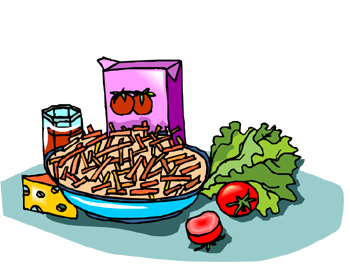
Eat Real Foods:
Most packaged ready-to-eat foods contain high amounts of salt, sugar
and preservatives. Some plastic wrapped foods contain trace
amounts of BPA, an acronym you are going to want to become very familiar
with.
|
|
|
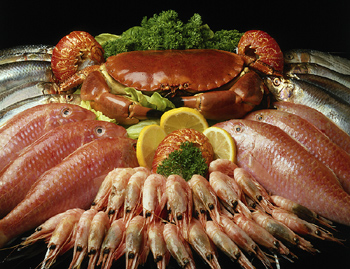
Fresh Fish:
Dangerous chemicals such as mercury and PCBs travel very quickly up the
ocean food chain. Be sure to read up on the types of fish and the
amount of dangerous chemicals each contain, especially if you are
pregnant.
|
|
|
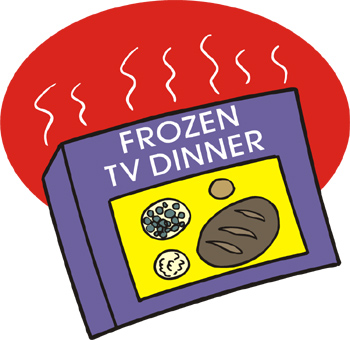
Frozen Food:
Purchase
frozen food that is packaged in cardboard containers. Foods sealed in
plastic can absorb estrogen, BPA and other questionable chemicals listed
as dangerous and cancerous.
|
|
|
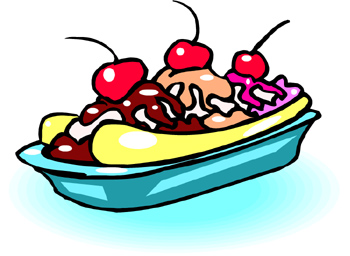
Hidden Calories: Watch
out for the extra calories hidden in rich desserts. With desserts made
at home, many high fat components can easily be replaced with low fat
alternatives. Search low fat recipes on the web for ideas on how
to cut fat and calories without skimping on nutrition or taste.
|
|
|
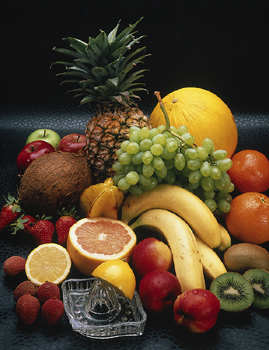
Hydroponics:
Hydroponics
is a great way to grow your own organic fruits and vegetables. Add
Tilapia to the mix and you have an excellent survival system for growing
your own protein and starches.
|
|
|
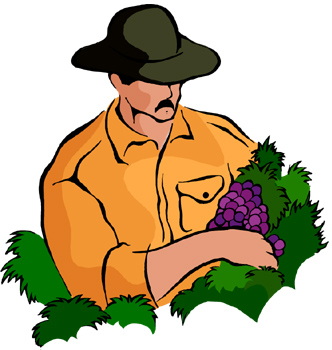
Local Growers: Try
to eat locally grown, organic fruits and vegetables in season. You may
find cheaper alternatives to organic however they may have traveled
thousands of miles which uses added energy to transport, be harvested by
underpaid labor, and can be grown under questionable circumstances
using pesticides and fertilizers not allowed for use in the USA.
|
|
|
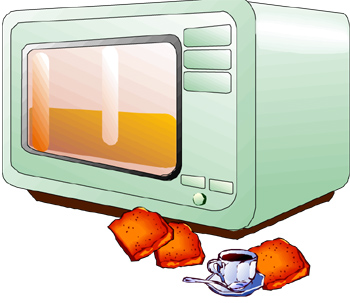
Microwaves:
Be
careful about the containers you use when you nuke your food. Certain
chemicals can leech into the meals you eat. Unfortunately our government
can be slow to catch many of these problems and even slower to act upon
them.
|
|
|
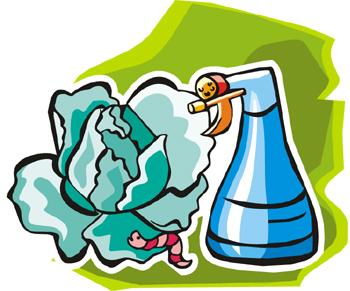
Pesticide-Absorbent Fruits and Vegetables: Learn
which fruits and vegetables are prone to soaking up pesticides and
becoming part of the product and not something that easily washes off.
There are over ten that you want to avoid except when purchased at
organic farms. There are even more that tend to be free of any internal
or external pesticides and chemicals. Do your research now and save you
and your family’s health over time.
|
|
|
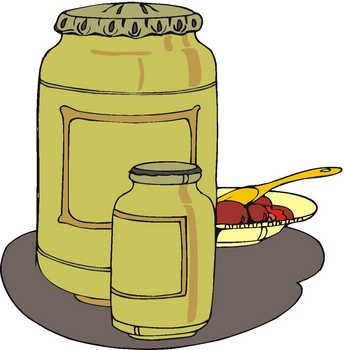
Preserve Your Own Food:
Learning
to preserve your own foods could prove to be very valuable later on
during lean economic times. Keeping your jars and lids for another
use is a great way to recycle. Search the web for canning and
preserving tips.
|
|
|
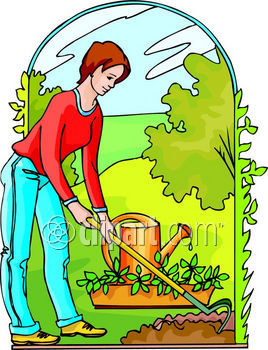
Start your own backyard garden: Nothing
tastes better than eating the fresh fruits and vegetables you grow
yourself. You can experiment with natural pest remedies that don’t
poison you or the environment. Squash and egg plant are
very easy to grow and can provide low calorie dishes for you at huge
savings.
|
|
|
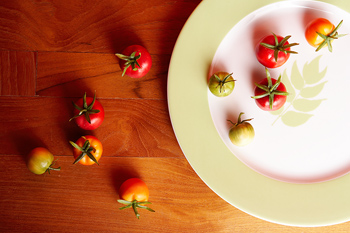
USDA Organic Foods:
Modern
agriculture can be very destructive by causing soil erosion and water
pollution when pesticides and fertilizers run off into rivers and
oceans. Research your labels carefully to find out which ones reflect
the most integrity when it comes to dispensing accurate information.
|
|
|
|
|

