Untitled Document
Lawn & Garden
|
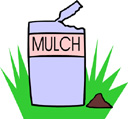
Add Mulch: Adding
mulch to your planting beds helps to retain moisture in the soil.
Mulching also helps to control weeds that compete with plants for water.
|
|
|
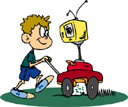
Adjust Your Cut: Raise
the lawn mower blade to at least three inches. A lawn cut higher
encourages grass roots to grow deeper, shades the root system and holds
soil moisture better than a closely-clipped lawn.
|
|
|
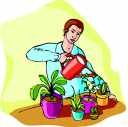
Adjust Your Water Schedule: Plants
and grasses grow slowly in the cooler weather. As a general rule, lawns
only need watering every 5 to 7 days in the summer and every 10 to 14
days in the winter. A hearty rain eliminates the need for watering for
as long as two weeks.
|
|
|
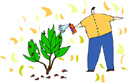
Ban Toxic Chemicals: Eliminate
the use of toxic chemicals and pesticides in your garden and flower
beds. Find Earth-friendly alternatives that won’t harm the environment
when they run off into the sewer system. TIP
|
|
|
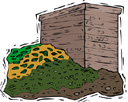
Composting: Create a compost pile for kitchen and garden waste to save energy by not having to haul yard debris to the dump.
|
|
|
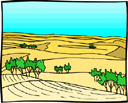
Desert Landscape: Consider changing over to desert landscaping to reduce or eliminate your need for water and needless gardening.
|
|
|
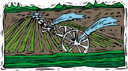
Drip Irrigation: Convert to a drip irrigation system that waters specific plants and avoids added water waste.
|
|
|
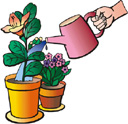
Early Morning Watering: Water lawns as early in the morning as possible and long enough for a deep soak to encourage deep root growth.
|
|
|
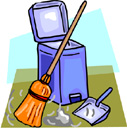
Elbow Grease: Use
a broom to clean the sidewalks and driveway. Using a hose to clean
these surfaces wastes hundreds of gallons of water. Avoiding the use of a
noisy, polluting, blower is a good way to save energy and keep the
neighbors happy.
|
|
|
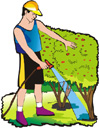
Evaporation: Water
very early in the morning or later in the afternoon to reduce
evaporation. Avoid watering on windy days as wind tends to accelerate
evaporation.
|
|
|
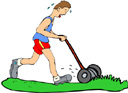
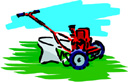
Exercise Your Options: Buy a new push mower for your lawn. They are quiet, non-polluting and you won't have to drive to the gym.
|
|

|
Gas vs. Electric: Looking
for ways to save energy? Use electric instead of gas powered lawn and
garden equipment, as they create less pollution and are usually more
energy efficient.
|
|

|
Grey Water: If possible, use the grey water from the laundry and shower for irrigation in the yard.
|
|
|
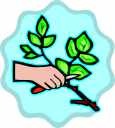
Hand Tools: Use "hand" pruners, clippers and other yard tools rather than gasoline or electric-powered ones.
|
|
|
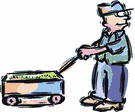
Mulching Mowers: You
can save money and do your lawn a favor by using a mulching lawn mower
instead of bagging and carting off grass clippings. The mulched
clippings fall back to the soil and add nutrients.
|
|
|
Mulching vs. Raking: Leave lawn clippings after mowing to fertilize the grass, or collect the clippings and use them for mulch.
|
|

|
Native Plants: Plant natural grasses and shrubs that are native to your area and do not require a lot of extra water in the summer.
|
|
|
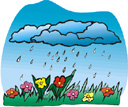
Natural Solutions: Keep
an eye on the weather report and turn off your automatic irrigation
system when rain is predicted. Keep it off for a week after the rain
stops. Even longer in the winter.
|
|
|
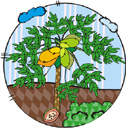
Plant a Garden: Learn
how easy and gratifying it is to be able to shop your backyard for
fresh fruits and vegetables. Nothing tastes better than home grown food.
|
|
|
Plant More Trees: Plant shade trees in the yard, by roadways and in vacant lots to combat the rising CO2 production.
|
|
|
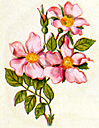
Plant Wildflowers: Plant native wildflowers in vacant lots, roadsides and other public areas so that the grass will not have to be mowed as often.
|
|
|
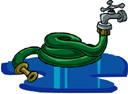
Plug Your Leaks: Regularly check all hoses, connectors and spigots for leaks. Install new hose washers where needed.
|
|

|
Rain Sensors: Install
a rain sensor device or switch which will override the irrigation cycle
of the sprinkler system when adequate rainfall has occurred.
|
|
|
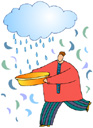
Rain Water: Collect rain water in a rain barrel or cistern for watering plants, garden and landscaping.
|
|

|
Reduce Fertilizers: Reducing fertilization of your lawn means you'll have less watering needs and can cut the grass less frequently.
|
|
|
Save Water: Looking
for an easy way to save water? Reduce your landscape watering schedule.
Most experts agree that many yards are over-watered.
|
|

|
Shade Trees: For
milder climates, plant deciduous shade trees to shade your house in the
summer and allow the sun to warm your house in the winter.
|
|

|
Sharpen Your Tools: One
idea on how to save energy is to keep the cutting edges sharp on your
gasoline and electric-powered yard equipment. The equipment will cut
more efficiently and use less energy. Dull cutting edges tend to fray
grass blades and increase water evaporation from the grass plants.
|
|
|
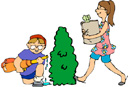
Soak vs. Sprinklers: Use
a "soaker" hose rather than a sprinkler, where possible. Less water is
required because the water is concentrated on the soil nearer the roots
and there is less evaporation.
|
|

|
Sprinkler Timers: Check your sprinkler system and timer on a regular basis to be sure it is operating properly and giving you the right coverage.
|
|
|
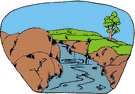
Stop Soil Erosion: Plant grass or ground cover on exposed land to prevent the loss of topsoil from erosion.
|
|
|
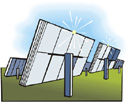
Solar Lighting: Choose
the small solar powered lights for your landscape lighting. They're
easy to find online or in garden stores and are just one way how to save
energy in the garden.
|
|
|
Water Beads: Mix soil with water beads which absorb 100X in water and releases it slowly over time.
|
|
|
|
|

