Untitled Document
Food

|

|
Eat
Close to Home
: With a bit of research, you can likely find scores of
restaurants of every type within just a few miles of home. Before
driving long distances to get to your favorite place, consider trying
new venues and new menus.
|
|
|

|
Eat Less: If overweight, try consuming less as you can cut demand on resources while improving your health. It’s a win-win for everyone.
|
|

|
Eco Friendly Restaurants: When
dining out, seek out local specialty restaurants that take the time to
source locally grown, organic foods. Avoid large chain restaurants who
may be adopting less earth-friendly practices in the blind pursuit of
corporate profits.
|
|

|
Encourage Organic Farming: By
purchasing organic products that are free from toxins and pesticides,
you help protect your health along with the workers in the fields, the
food processors and even the beneficial bugs that help keep the earth
fertile and productive.
|
|

|
Excessive Portions: Whether
at home or at a restaurant, avoid excessive portions by packaging
excess food before you begin your meal. This practice will help you set
and meet your diet goals much more easily.
|
|
|
Fast Food: Fast
food creates an excess amount of needless paper and plastic. Either
eliminate fast food from your diet or use feedback receipts to ask the
management to adopt a "Go Green” attitude and allow all extra packaging
to be removed prior to accepting your meal.
|
|
|
Fresh Food: Try
to eat fresh food from your crisper instead of frozen food from your
freezer. This should help save consumption of electricity
.
|
|

|
Home Cook Food: Choose
to eat at home and cook food for yourself to avoid processed goods. You
can control the ingredients of the food when you cook it yourself.
Manufactured goods are subjected to processing that requires a lot of
energy and resources to pack and transport
.
|
|
|
Home Garden:If
you have space in your backyard, why not start your own garden? There
are plenty of benefits that can be had in gardening. Other than helping
save the environment by taking an organic diet, gardening also allows
you to spend more time outdoors, grow something out of your own effort,
and take time for contemplation
.
|
|

|
Microwave Cooking: No
matter what you read, never reheat your food or leftovers in plastic or
foam containers. Remove all plastic wraps as they typically will sag
with heat and come in direct contact with your food
.
|
|
|
Non-Labelled Food: As
much as possible, buy ingredients that do not have labels because it
means the product is as real as it gets. Fresh fruits and vegetables,
for instance, do not have labels compared to those canned ones with
nutrition processed out of them
.
|
|

|
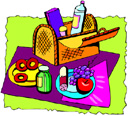
Pack a Lunch: Taking
your lunch to work affords you better control over fat, salt nutrition,
portion size, packaging, etc. Rather than comingling your lunch in a
community refrigerator, use a refreezable ice pack to keep your food
cool
.
|
|
|
Picnics: Paper
plates, disposable cups and plastic silverware are all convenient items
for picnics but generate tons of waste for the environment. To prevent
unnecessary waste, take along a magic marker to put names on cups and
plates. Consider purchasing plastic picnic plates that can be rinsed off
and washed at home with soapy water for later reuse. Ask kids to make
sure they bring back their empty cups for refills rather than grab a new
cup each time
.
|
|

|
Plastic or Glass:
Choose glass, ceramic and stainless steel over plastic whenever
possible. These materials are long-lasting, can often be transferred
directly from the pantry or fridge to the oven or microwave, and – most
importantly, they won't leach chemicals into your food
.
|
|
|
Reduce Packaging Waste:Resist
the temptation to buy items that create unnecessary waste in an attempt
to get you to buy. Simpler packaging many times translates to lower
prices for your goods
.
|
|

|
Restaurant Waste: Avoid
restaurants that create a huge amount of needless waste. This is
especially true when eating inside a fast food restaurant which
generates a wrapping for the main course, usually a box for it to rest
in for a less than sixty seconds, french fry packing, paper or plastic
drink container, plastic forks, knives and spoons, tray liners,
condiment packages, etc. When you finish your next fast food meal, place
all your carnage in the middle of the table and ask yourself if this
establishment cares more about convenience or the environment
.
|
|
|
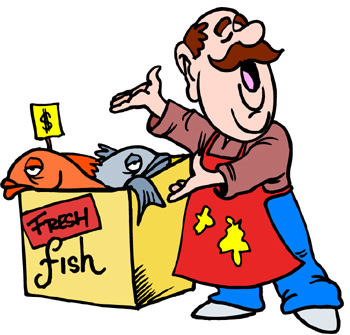
Seafood Products: Be
cautious in choosing fish in the market. It is best to avoid eating
tainted aquatic species since they can be highly contaminated with
chemicals that are toxic to the body. Take note of the labels that
identify which seafood products are caught using sustainable methods and
which ones are not
.
|
|
|
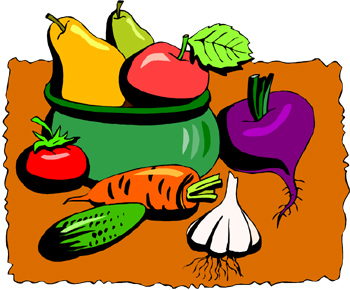
Seasonal Fruits: Try
to purchase fruits and vegetables in season as opposed to
greenhouse-grown or out of area imports that require added energy to
transport
.
|
|
|
Space Saving Measures: Once
you stop buying all the toxic cleaning agents, you'll find you have
much more room in your cabinets for simple cleaning agents such as
baking soda, vinegar, alcohol, club soda, lemon juice, etc.
|
|
|
USDA Approved: Buy
organic ingredients that are USDA approved. Modern methods of farming
can be destructive to the environment. Pesticides and fertilizers can
cause water pollution and soil erosion. Organic ingredients are produced
without genetic engineering and synthetic growth hormones
.
|
|
|
Vegetarian Meals: Replace
meals containing meat with as many vegetarian meals as possible. Almost
every animal produces methane including humans. Cutting the demand for
animal protein helps reduce greenhouse gases
.
|
|
|
|
|

